Modern Serif Font for Editorial Design
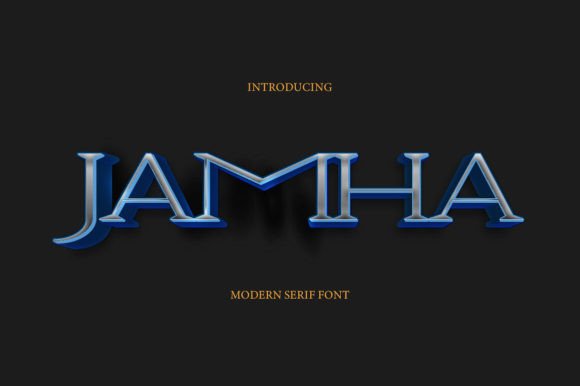
Jamha is a modern serif font that brings elegance and sophistication to any design project. Its refined structure and graceful curves make it ideal for editorial work, where visual appeal and readability go hand in hand. Whether you're designing a magazine cover, crafting a blog header, or creating a printable guide, Jamha offers a timeless aesthetic that enhances the overall look and feel of your content.
This font is particularly well-suited for projects that require a touch of class and refinement. Its balanced proportions and subtle detailing ensure that it remains legible even at smaller sizes, making it a reliable choice for headings, subheadings, and pull quotes. Jamha’s versatility allows it to shine in both digital and print formats, providing a consistent visual identity across various media.
Using Jamha in Editorial Design
Jamha excels in editorial design, where typography plays a crucial role in shaping the reader experience. For blog headers, this font adds a polished and professional look that draws attention without overwhelming the page. When used in magazine covers, it can elevate the visual impact, making the publication stand out on newsstands or digital platforms.
In ebook titles and chapter openers, Jamha sets the tone for the content that follows. Its stylish appearance helps establish a strong brand identity, especially for niche publications or lifestyle-focused content. For newsletter graphics, it provides a refined contrast against more neutral body fonts, helping to guide the reader’s eye through the layout.
When incorporating Jamha into quote layouts, it adds a sense of authenticity and artistic flair. Whether it's a motivational quote, a thought-provoking statement, or a line from a literary work, the font enhances the message with its elegant presence. In printable guides and lead magnets, it ensures that the content feels premium and well-crafted.
Jamha for Branding and Visual Hierarchy
One of the key strengths of Jamha is its ability to support visual hierarchy. As a display font, it works best for headlines, logos, and section titles, where it can command attention and define the structure of the layout. Its clean yet expressive style makes it an excellent choice for accent typography, allowing designers to create focal points that guide the reader through the content.
For publication branding, Jamha can serve as a signature typeface that unifies different elements of a design. Whether it's a lifestyle blog, a recipe ebook, or a wedding guide, using this font consistently across all materials reinforces brand recognition and creates a cohesive look. Its personality also lends itself well to creative projects such as coaching workbooks, digital magazines, and printable planners.
When paired with other fonts, Jamha complements a wide range of styles. It pairs beautifully with a readable serif font for body copy, ensuring that the text remains easy to read while maintaining a sophisticated aesthetic. Alternatively, it can be used alongside a clean sans serif font for captions, navigation elements, or social media graphics, offering a balanced and modern look.
Readability and Practical Considerations
While Jamha is primarily a display font, it maintains good readability in appropriate contexts. On screens, it performs well at larger sizes, making it suitable for headers and banners. When exported to PDF or used in print, its details remain sharp and clear, ensuring that the final output meets high-quality standards.
For mobile layouts, it's best to use Jamha in limited quantities, such as in headlines or callout text, to avoid affecting load times or legibility on smaller devices. In print, its fine strokes and delicate serifs add a level of refinement that enhances the overall design, making it a popular choice for book covers, stationery, and packaging design.
Before using Jamha in commercial projects, it's important to check the licensing terms. This font is suitable for a variety of applications, including ebooks, templates, printables, paid newsletters, client publications, and digital downloads. Ensuring proper licensing helps protect both the designer and the end user, allowing for seamless integration into professional workflows.
Enhancing Reader Engagement with Jamha
Jamha contributes to reader engagement by adding a visual element that invites interaction. Its elegant style can evoke a sense of luxury, creativity, or nostalgia, depending on how it's used. In a creator newsletter, for example, it can help establish a unique voice and build a stronger connection with the audience.
For web design, Jamha can be used in hero sections, landing pages, or featured content areas to create a striking first impression. Its presence can enhance the mood of a website, making it more inviting and memorable. In social media graphics, it adds a professional touch that aligns with brand aesthetics and visual consistency.
As a premium font, Jamha offers a level of quality that elevates any project. Its modern serif style strikes a balance between tradition and innovation, making it a valuable addition to any designer’s toolkit. Whether used for logo design, editorial layouts, or content branding, it brings a refined and artistic quality that enhances the overall presentation.
By incorporating Jamha into your design process, you can create content that not only looks great but also resonates with your audience. Its versatility, readability, and visual appeal make it a powerful tool for publishers, bloggers, and content creators who want to deliver high-quality, engaging material across multiple platforms.